

Verights is built for the enforcement reality of running a serious video IP business. AI matches content at scale. Our team considers fair use in good faith on every material claim before a notice issues. respondents get a transparent path to resolve, dispute, or counter-notify.
We continuously match your content library against video posted across the full creator-content surface area — major social networks, video platforms, and short-form video apps — including platforms that do not offer in-house rights-management tools. Coverage expands as the platform landscape evolves; you do not need to renegotiate scope.
Detection is hyper-focused on high-impact infringement and repeat offenders. We do not run blanket sweeps that catch low-value matches at the cost of false-positive risk to your brand.
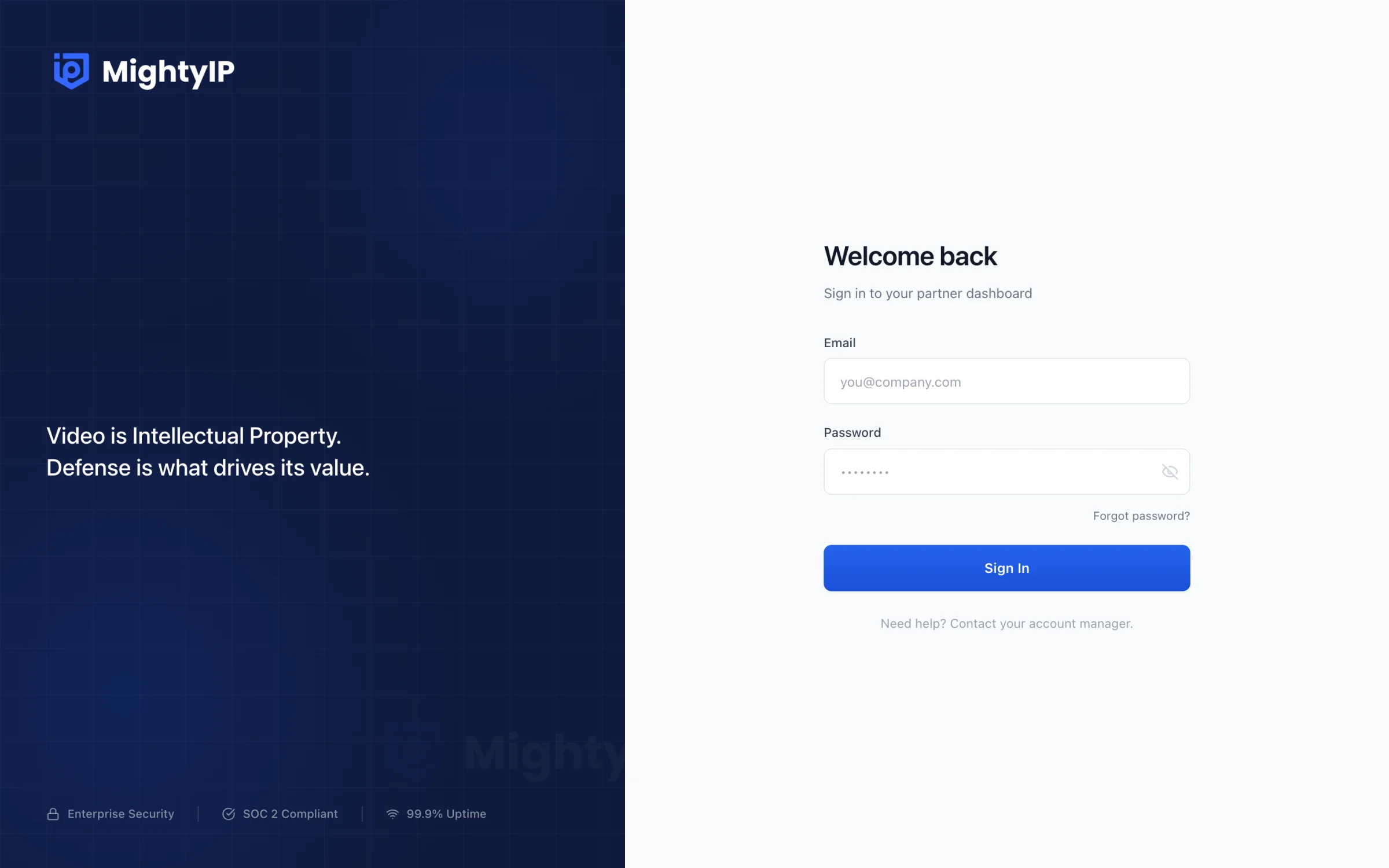
Detection is automated. The decision to issue a notice involves a person. Our team reviews each material claim and considers fair use in good faith before any notice goes out.
Good-faith fair-use consideration before notice issuance is the standard articulated in Lenz v. Universal Music Corp., 815 F.3d 1145 (9th Cir. 2016). We treat that standard as a program requirement: where a claim does not meet it, the notice does not issue.
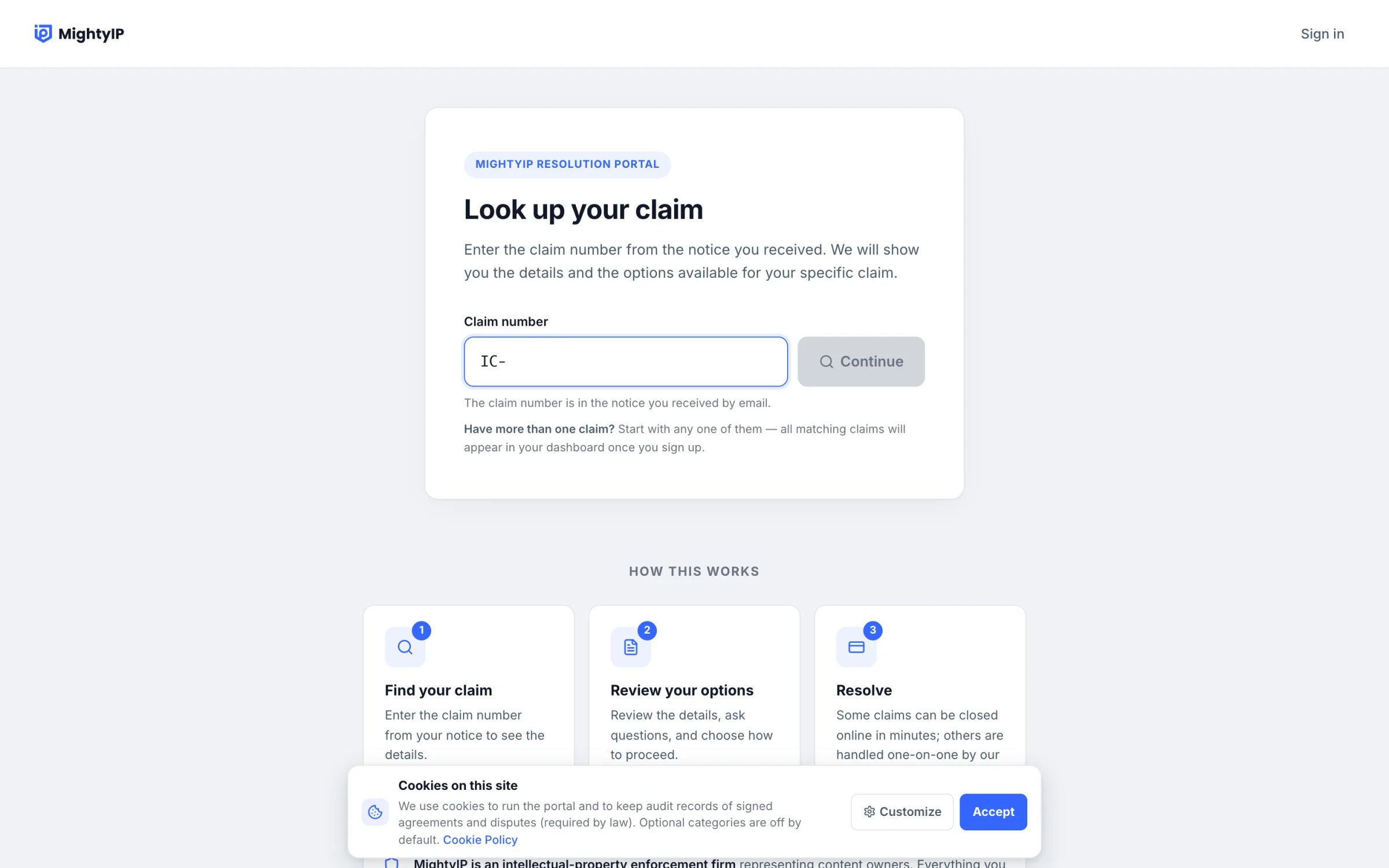
The respondent receives a notice with a claim reference number and a link to claims.verights.com. They can review the underlying evidence, submit a Review Request, settle at the disclosed price, or counter-notify under § 512(g) directly with the platform.
Settlement pricing follows a published methodology with disclosed multiplier ranges. EEA / UK respondents can request human review under GDPR Art. 22(3), and a timely request automatically tolls the 30-day Expedited Settlement window.
Enforcement at scale invites scrutiny: from rights-holders' counsel, from respondents' counsel, from platforms, from regulators, and from the courts that shape this body of law. The Verights platform is engineered, top to bottom, for the standard each of those audiences applies.
Our team reviews each material claim and considers fair use in good faith before a notice is issued, consistent with the standard articulated in Lenz v. Universal Music Corp., 815 F.3d 1145 (9th Cir. 2016). Notices are not automated end to end; a human is in the loop on the questions that matter.
Article 22 of the GDPR gives EEA and UK respondents a statutory right to a human review of significant automated decisions. Notices are not issued by automation alone: a member of our team is in the loop on every material claim. Our privacy disclosures, contact channels for GDPR and CCPA inquiries, and our position on § 512(f) good-faith are published in the claims-portal Privacy Policy and Terms of Service.
Detection events, notice issuance, respondent communications, settlements, and retraction filings are timestamped system events in our records. Each claim has a unique reference number and a status timeline visible to the rights holder we represent. The data is exportable and structured to support the kind of records counsel typically asks for.
Schedule a 30-minute walkthrough with our team.